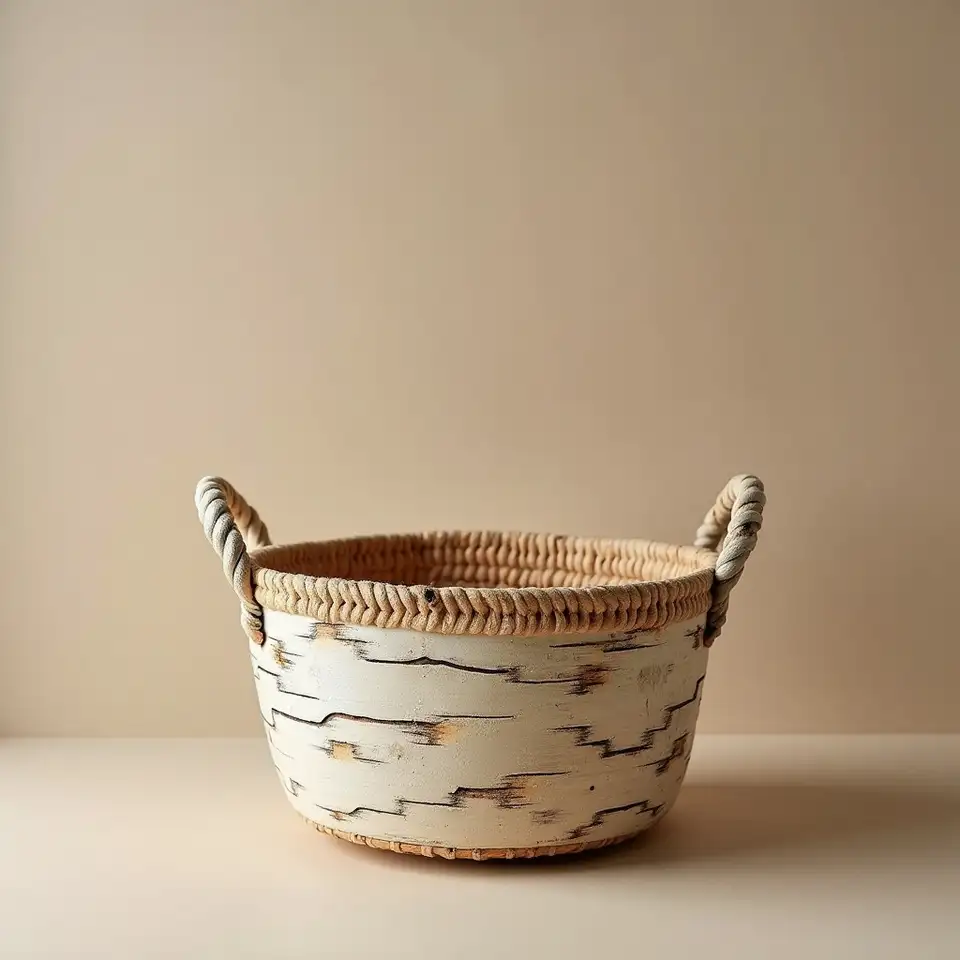
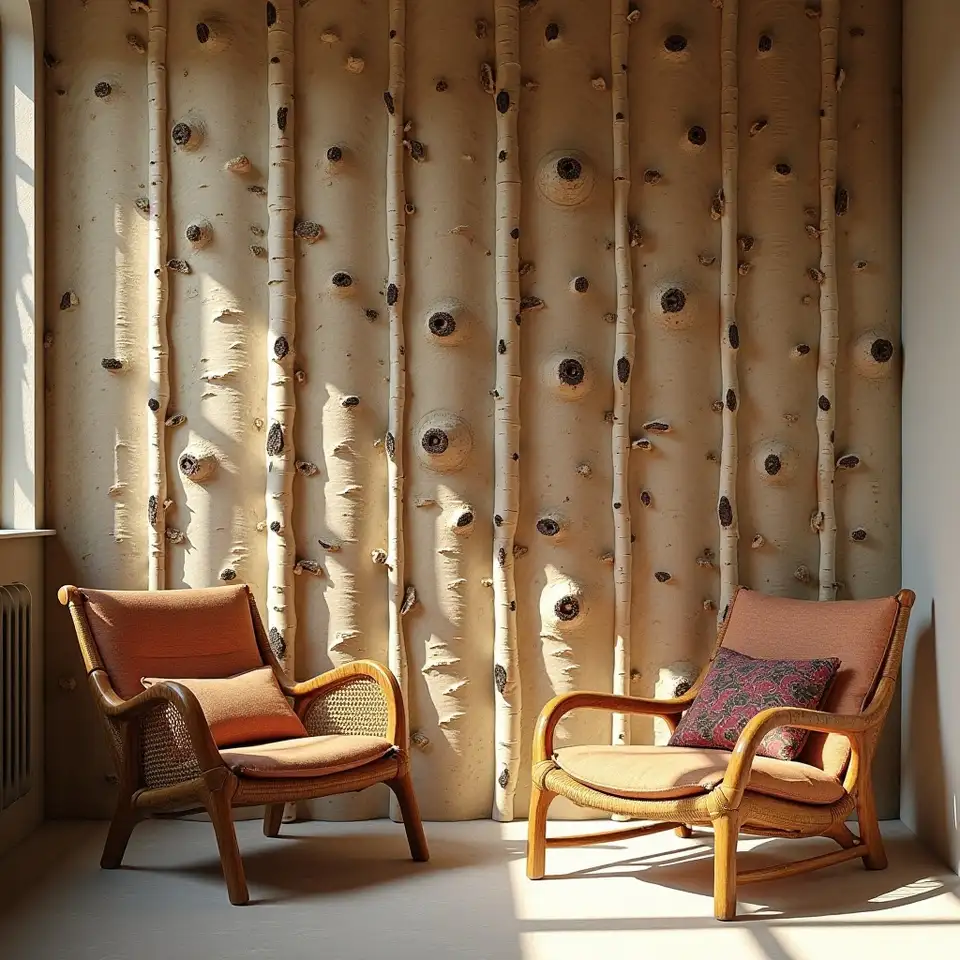
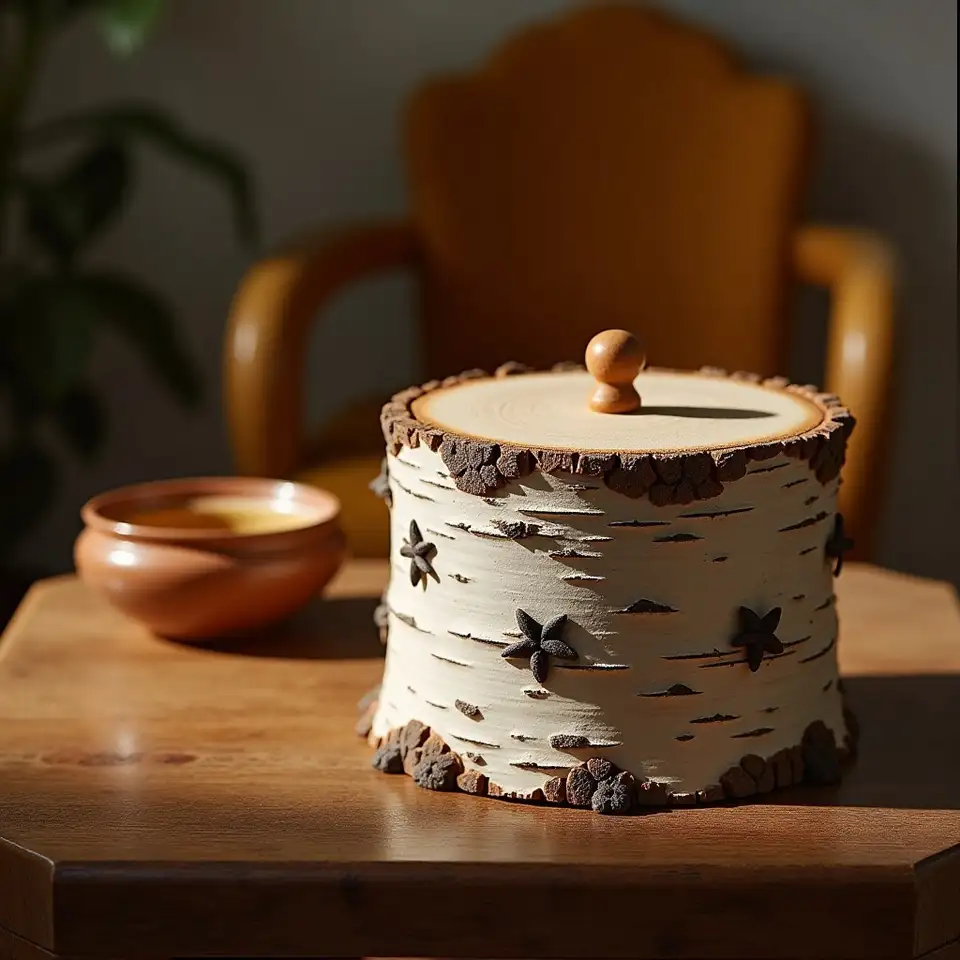
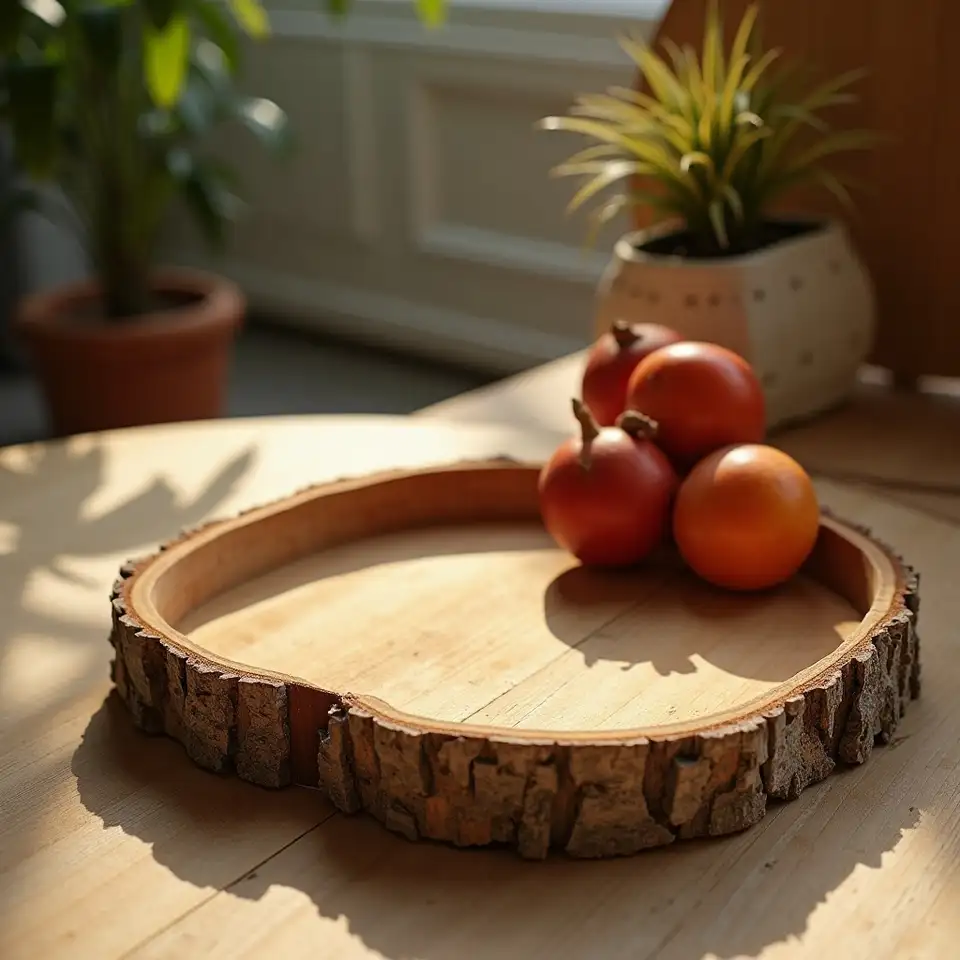
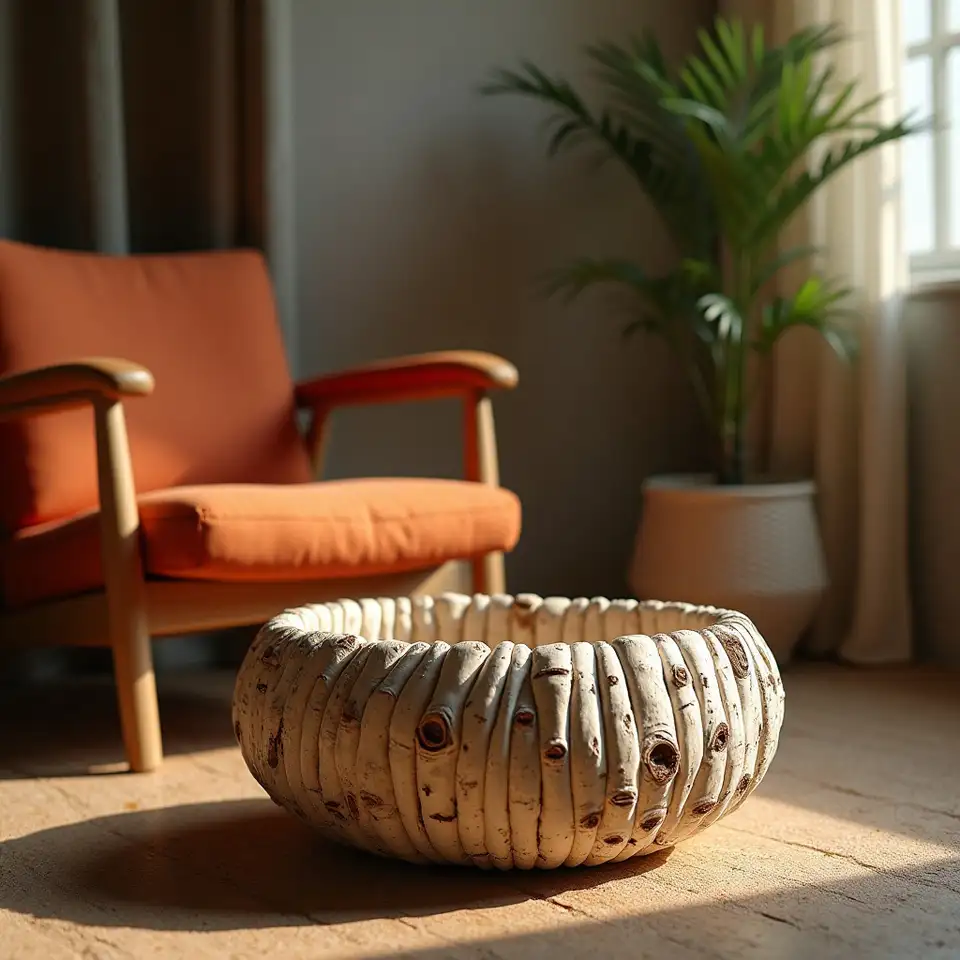

We gather bark from fallen trees, prepare it by hand, and weave baskets that outlast anything from a factory. No shortcuts, no secrets.
See our work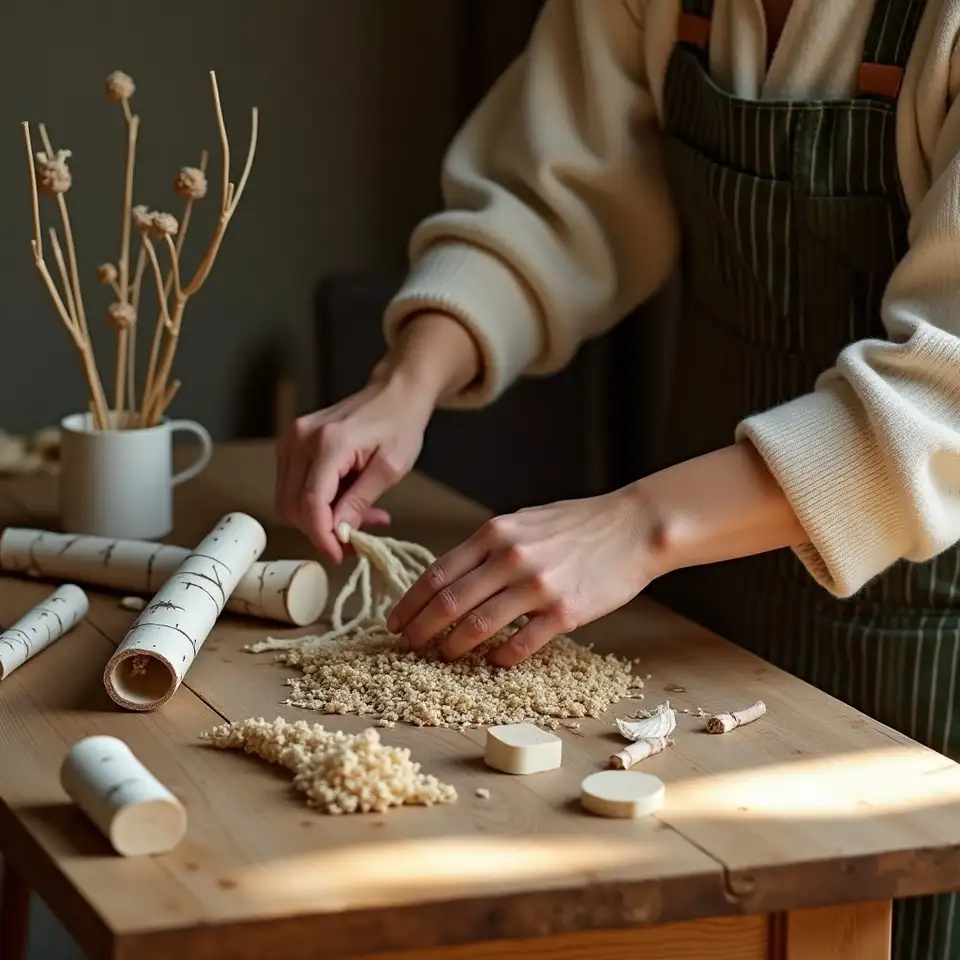
Natural craft
100% fallen
The material has properties that synthetic substitutes cannot replicate. The challenge is learning to work with those properties rather than against them.
The basic weave requires only a knife, patience, and bark. Complexity comes from combining simple elements, not from mastering obscure tools. Most beginners produce something functional within their first month.
We walk established routes through public and private land, checking trees that have fallen during winter storms. Bark strips cleanly only when moisture and temperature align. We take what we need and leave the rest for decomposition.
Fresh bark is scored, rolled, and stored in cool conditions for two to four weeks. This allows the inner layers to soften without moulding. Rushing this step produces brittle strips that crack under tension.
Before weaving, strips are cut to width and soaked in clean water until pliable. Timing matters: too dry and the bark splits; too wet and the weave loosens as it dries.
The actual construction is the shortest phase. A small basket might take an afternoon to weave but required weeks of preparation. The weave locks itself through tension and interlocking, not glue or fasteners.
We asked people who have attended our workshops or used our patterns to describe what they actually found.
"I assumed the difficulty would be the weaving itself. It turned out to be finding decent bark and knowing when it was ready. The workshop saved me about six months of failed experiments. My first usable basket was ugly but held water."

"The open archive is what convinced me to try this. Most craft resources gate-keep the advanced techniques. Here, everything is published, including the mistakes. I have contributed two corrections myself, and they were accepted without drama."

We publish our techniques, share our harvest calendar, and teach anyone prepared to work slowly. The craft is not secret. It is simply patient. If you are willing to ruin your first three baskets, the fourth might last a generation.
Harvest bark only from fallen trees during approved seasons
Prepare material using traditional scoring and soaking methods
Weave structural patterns that lock without adhesives
Document failures openly to improve collective knowledge
Price finished pieces based on time and material only
Natural Material Qualities
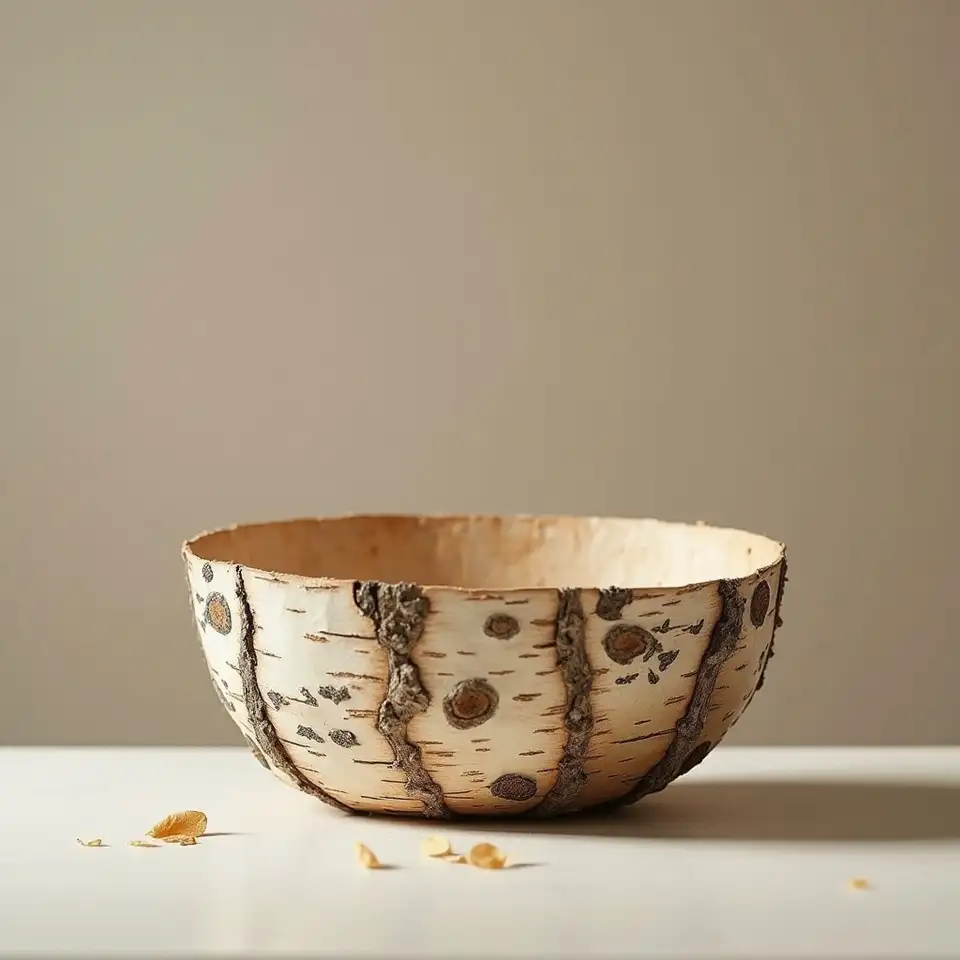
Birch bark contains betulin, a compound that repels water and resists decay. A well-made basket needs no varnish, no lining, and no special storage. The material does the work if you let it.